Domestic violence cases involving sexual abuse
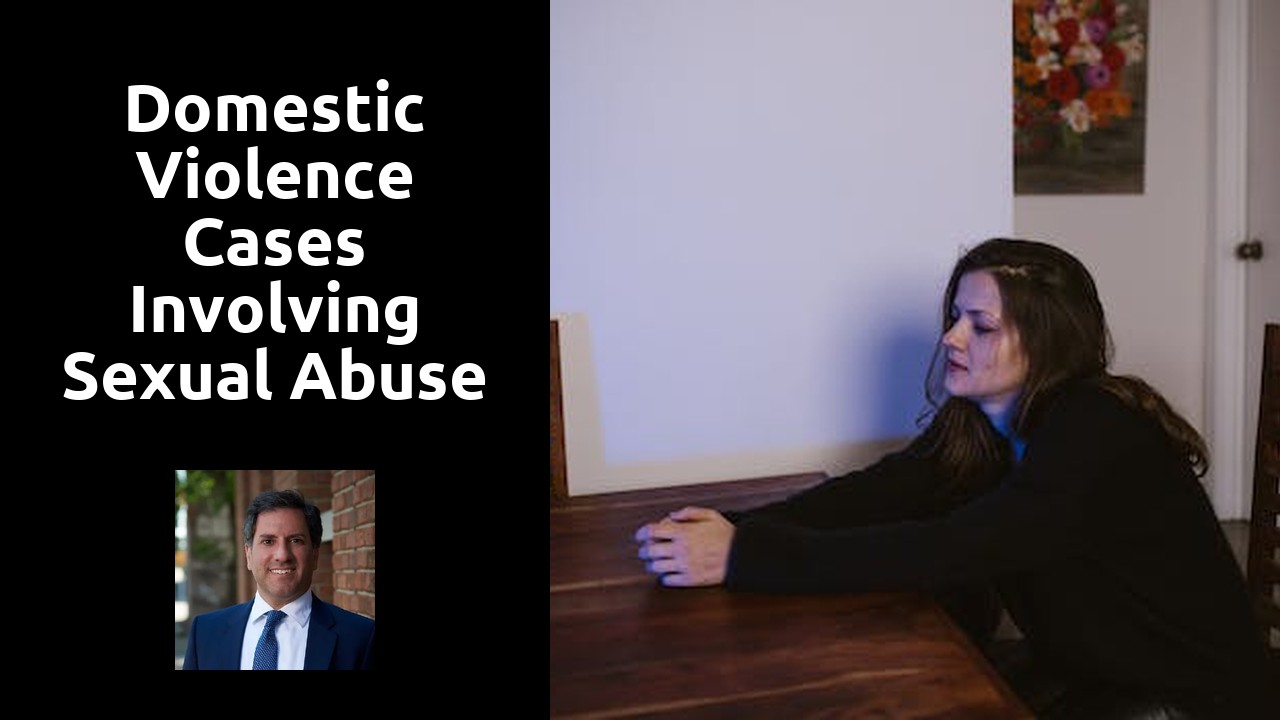
Understanding the Dynamics of Intimate Partner Violence
Domestic violence is a complex issue that requires a deep understanding of the dynamics at play within intimate partner relationships. While many people may assume that domestic violence is solely about physical abuse, the truth is that it encompasses a range of harmful behaviors. These can include emotional, psychological, financial, and sexual abuse. In order to effectively address and prevent domestic violence, it is crucial to grasp the various factors that contribute to its occurrence and perpetuation.
Power and control form the foundation of intimate partner violence. The abusive partner seeks to establish dominance and maintain authority over their victim, using tactics such as intimidation, manipulation, and isolation. This power dynamic can be reinforced through a variety of means, including economic disparities, social pressures, and societal norms that reinforce gender roles. Understanding these dynamics is key to breaking the cycle of violence and providing support to those affected by domestic violence. By recognizing the underlying factors that contribute to abusive relationships, we can work towards fostering healthy, respectful partnerships and dismantling the cycles of violence that perpetuate within intimate relationships.
Unmasking the Hidden Realities Behind Closed Doors
The hidden realities of domestic violence often remain undisclosed, concealed behind closed doors. The perpetrators of such violence often manipulate and control their victims, making it difficult for them to speak out. Fear, shame, and a sense of powerlessness contribute to the silence that shrouds these abusive relationships.
Behind closed doors, victims suffer in silence, often enduring various types of abuse, including verbal, emotional, psychological, and financial. It is not uncommon for emotional manipulation, gaslighting, and threats to be at the core of these abusive relationships. Victims may be isolated from family and friends, their self-esteem diminished, and their sense of worth eroded over time. The hidden realities of domestic violence call for greater awareness and understanding, as well as a collective effort to break the cycle of silence and provide support for those affected.
Breaking the Silence: Shedding Light on Domestic Violence
Domestic violence has long been a pervasive issue in society, with countless victims suffering in silence behind closed doors. Breaking the silence and shedding light on domestic violence is a crucial step towards addressing this pressing issue. By raising awareness, we can begin to challenge the social stigma associated with domestic violence, encouraging victims to seek help and support. It is through open conversations and education that we can dismantle the cycle of abuse and empower individuals to break free from their abusive situations.
One of the key aspects of breaking the silence is debunking the myths surrounding domestic violence. Many people hold misconceptions about what domestic violence looks like, often assuming it is limited to physical harm. However, the reality is that domestic violence encompasses a wide range of abusive behaviors, including emotional, psychological, and sexual abuse. By shining a light on these hidden realities, we can help society understand that domestic violence is not limited to one particular demographic or type of relationship, but rather a deeply rooted issue that affects individuals from all backgrounds.
Beyond Physical Harm: Exploring the Layers of Abuse
Beyond Physical Harm: Exploring the Layers of Abuse
Domestic violence is a complex issue that reaches beyond physical harm. While physical abuse is often the most visible aspect, there are multiple layers of abuse that victims may experience in intimate partner relationships. Emotional abuse, for example, can be just as damaging, leaving lasting psychological scars on victims. This form of abuse involves manipulation, belittlement, and control, gradually eroding the victim's self-esteem and sense of self-worth. The impact of emotional abuse can be long-lasting, often causing victims to suffer from depression, anxiety, and feelings of powerlessness.
Another layer of abuse that is often overlooked is financial abuse. This type of abuse involves controlling the victim's financial resources, such as restricting access to money, preventing them from working, or coercing them into making financial decisions against their will. By controlling the victim's financial independence, the abuser maintains power and control over them, making it difficult for the victim to leave the abusive relationship. This form of abuse can have severe consequences, leaving victims trapped in a cycle of dependence, with limited resources to seek help or escape their situation.
In order to address and combat domestic violence effectively, it is crucial to recognize these various layers of abuse and understand their impact on victims. By shedding light on the hidden realities within abusive relationships, we can challenge stereotypes and misconceptions about domestic violence. Only then can we provide the support and resources needed to empower victims and create a safer environment for all.
Challenging Stereotypes: Debunking Myths about Domestic Violence
Stereotypes surrounding domestic violence often hinder the progress of addressing the issue effectively. One common myth is that domestic violence only occurs in lower socio-economic groups or certain cultural communities. However, research and studies have shown that domestic violence does not discriminate. It affects individuals across all socioeconomic backgrounds, cultures, races, and genders. It is important to challenge this stereotype and recognize that domestic violence can happen to anyone, regardless of their socioeconomic status or cultural background.
Another myth that needs debunking is the belief that domestic violence is solely physical abuse. While physical violence is a significant aspect of domestic violence, it is not the only form of abuse that victims experience. Emotional, psychological, and sexual abuse are also prevalent within abusive relationships. These forms of abuse can be just as damaging, if not more, than physical violence. It is critical to understand and acknowledge the various layers of abuse to better support and provide resources for survivors. By debunking these myths, it is possible to create a more comprehensive understanding of domestic violence and work towards eradicating it from society.
Navigating the Legal Landscape: Seeking Justice for Victims
The legal process can be a daunting journey for victims of domestic violence seeking justice. However, it is crucial for victims to understand their rights and the available legal options. Navigating the legal landscape is the first step towards seeking justice and holding the abuser accountable for their actions.
In domestic violence cases, it is essential for victims to document any evidence of abuse, such as photographs of injuries, text messages or emails that may serve as proof, and witness testimonies. This documentation can significantly strengthen their case and aid in the pursuit of legal action. Victims should also consider seeking a restraining order or protection order, which can provide them with immediate legal protection and prevent further harm. It is important for victims to consult with an experienced attorney who specializes in domestic violence cases to guide them through the legal process and ensure that their rights are protected.
FAQS
What is domestic violence?
Domestic violence refers to a pattern of abusive behaviors within a relationship where one partner seeks to gain power and control over the other.
What is sexual abuse in the context of domestic violence?
Sexual abuse in domestic violence refers to any non-consensual sexual activity imposed by one partner on the other, through coercion, threats, or physical force.
How common is sexual abuse in domestic violence cases?
Sexual abuse is prevalent in many domestic violence cases, but due to the secretive nature of such abuse, it often goes unreported and underreported.
What are the dynamics of intimate partner violence?
Intimate partner violence involves a cycle of tension-building, explosive incidents, and honeymoon phases, where the abuser manipulates and controls the victim emotionally, physically, or sexually.
Why is it important to shed light on the hidden realities of domestic violence?
Bringing attention to the hidden realities of domestic violence helps society understand the scope and severity of the issue, and can encourage victims to seek help and support.
What are the different layers of abuse beyond physical harm?
Beyond physical harm, abuse can manifest in various ways, including emotional, psychological, financial, and sexual abuse. These layers can have long-lasting effects on victims.
What are some common myths about domestic violence?
Common myths about domestic violence include the belief that it only happens to certain demographics, that victims provoke the abuse, or that it is a private matter that should not be intervened upon.
How can victims seek justice in cases of domestic violence involving sexual abuse?
Victims can navigate the legal landscape by seeking a restraining order, reporting the abuse to law enforcement, working with counselors or support groups, and seeking the assistance of legal professionals.
How can we challenge stereotypes surrounding domestic violence?
Challenging stereotypes involves educating ourselves and others about the realities of domestic violence, dispelling myths, supporting victims, and promoting healthy relationships based on equality and respect.
What resources are available for victims of domestic violence?
Victims of domestic violence can access resources such as hotlines, shelters, counseling services, support groups, legal aid, and advocacy organizations dedicated to helping survivors of abuse.
Related Links
Southaven, MS sexual abuse lawyer representing survivorsIncest cases
Workplace sexual harassment cases